 TÜRKÇE
 ENGLISH

Bandırma Onyedi Eylül University contributes to neutrino research through its work within the international NOvA collaboration. Assistant Professor Ayşe Bat, who leads the university’s NOvA group, participated in the experiment’s data-taking and analysis activities during a nine-month research visit to Fermi National Accelerator Laboratory (Fermilab) in the United States.

Figure 1. The Fermilab campus and Wilson Hall at sunset in Illinois, United States.
Located in Illinois, Fermilab is one of the world’s leading research centers in particle physics, accelerator technology and quantum science, investigating the fundamental building blocks of matter. A major focus of its experimental program is understanding the properties and behavior of neutrinos, particles that interact only very weakly with matter.
One of these experiments, NOvA, investigates “neutrino oscillation,” the phenomenon in which neutrinos change type as they travel. The experiment uses two detectors: a near detector at Fermilab and a far detector approximately 810 kilometers away in Minnesota. The near detector measures the initial characteristics of the neutrino beam and studies neutrino interactions, while the far detector measures changes that occur over this long journey. Data from the two detectors are compared to better understand the fundamental properties of neutrinos.
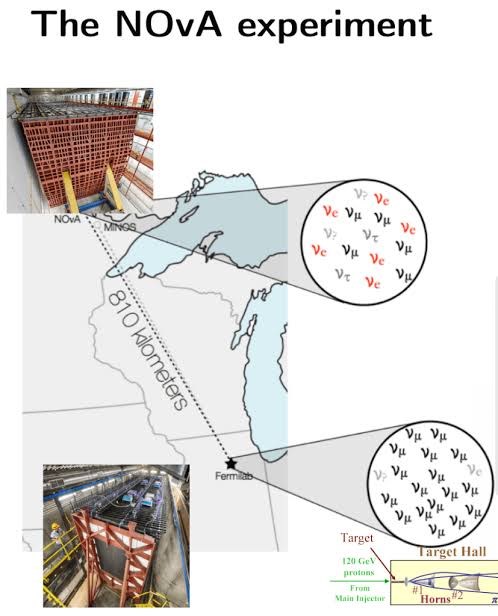
Figure 2. The NOvA near detector at Fermilab and far detector in Minnesota.
Our university’s work within NOvA includes studies of electron antineutrino interactions using near detector data, methods for reconstructing particle tracks, and contributions to the operation of the data acquisition system. These activities span different stages of transforming recorded detector signals into physically meaningful information.
One of the highlights of the research visit was dedicated data taking to study neutron signals in the NOvA near detector. Dr. Bat contributed to measurements with a deuterium–tritium neutron generator (DTG). Data collected with this controlled neutron source are intended to improve understanding of the detector’s response to neutrons. Because neutrons carry no electric charge and do not directly leave ionization tracks, identifying signals from secondary particles produced in their interactions within the detector is an important part of this research.
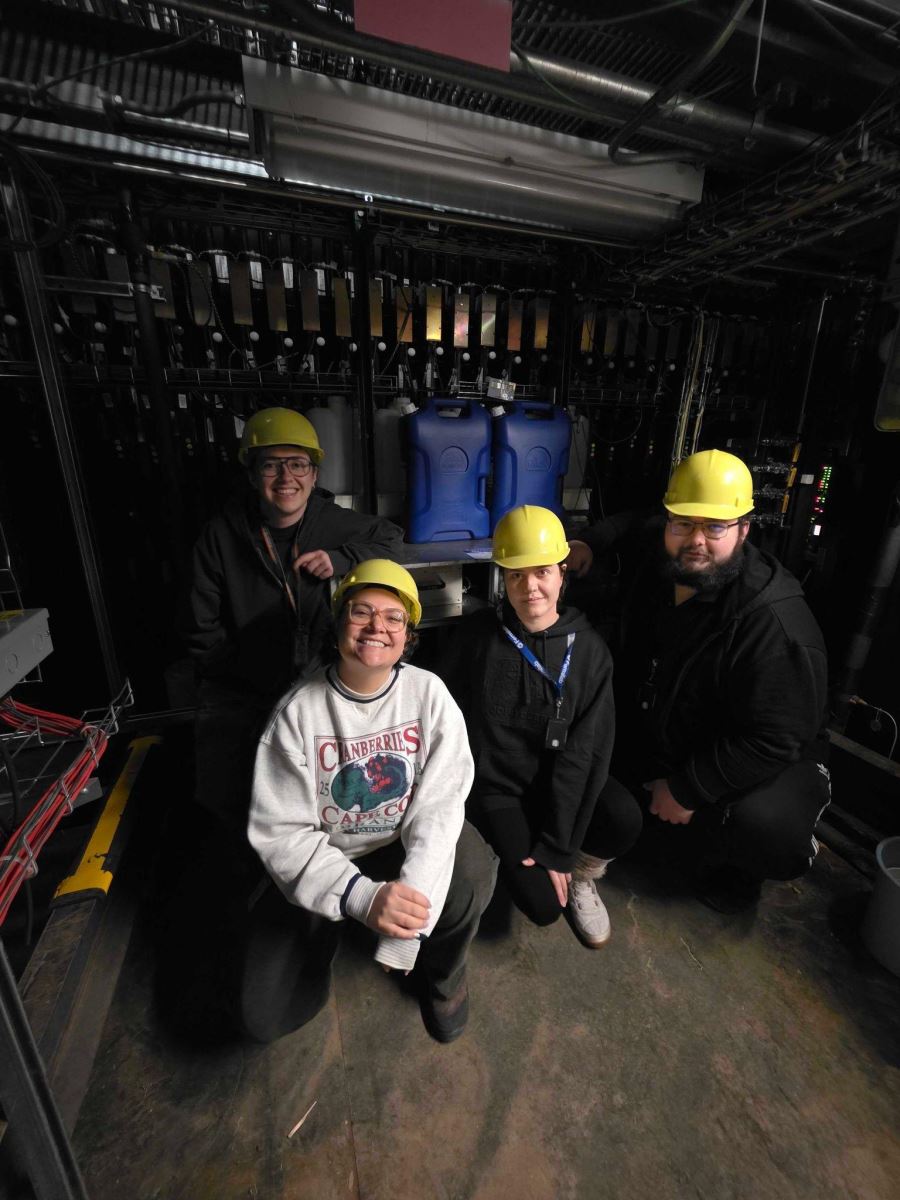
Figure 3. Members of the research team participating in dedicated neutron data-taking activities at the NOvA near detector.
The research visit to Fermilab strengthened our university’s active participation in the NOvA collaboration and laid the groundwork for further activities, from data taking to developing analysis software.
Visitors: 19
Güncelleme Tarihi: 16 October 2026